












Click 👉Today in History (general history) July 9.
On This Day in Confederate History, July 9.
1862: Confederate Colonel John Hunt Morgan began his "First Kentucky Raid" at Tompkinsville, Kentucky. Morgan surprised the 9th Pennsylvania Cavalry and captured the garrison within two hours, and a large number of logistical supplies.
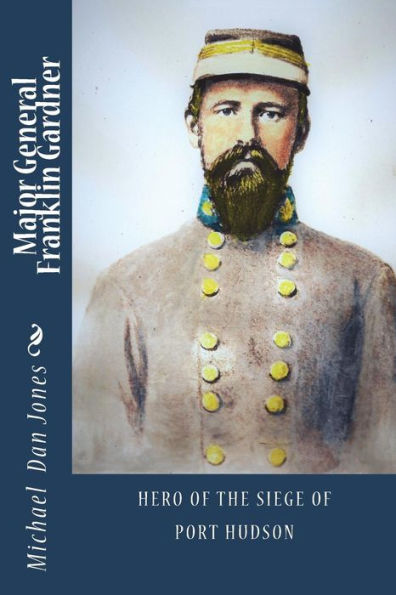
1863: The surrender of the Confederate garrison at Port Hudson, La., took place at 7 a.m. when the two armies paraded in the open with Brig. Gen. George L. Andrews at the head of the Federal column and Maj. Gen. Franklin Gardner led the Confederates. Gardner handed over his sword to Andrews, saying, "Having thoroughly defended this position as long as I deemed it necessary, I now surrender to you my sword, and with it this post and this garrison." Andrews replied, "I return your sword as a proper compliment to the gallant command of such gallant troops--conduct that would be heroic in another cause." He then handed it back to Gardner. The Confederate general kissed his sword and said, "This is neither the time nor the place to discuss the cause." In the course of the siege, Confederate losses for the longest true siege in American military history were 188 killed, 483 wounded, for a total of 671, and about 200 died of disease during the siege. Federals paroled 5,935 men, which included non-combatants such as sick, wounded, missing, armed civilians, cooks, clerks, teamsters, and staff officers. Not paroled were 405 Confederate officers. Federals lost 752 men killed, 226 mortally wounded, 3,224 wounded, and 418 captured or missing. Naval casualties were not given. In addition, over 4,000 soldiers were hospitalized from sunstroke and disease. The Confederate government objected to the parole terms on the grounds that it violated terms for parole already agreed to by both armies. It then furloughed the paroled men and ordered them to report back for duty on September 15, 1863. The outraged Federals objected, but General Halleck had to admit the Confederates were right.


1864: The Battle of Monocacy took place on this day in Maryland in Lt. Gen. Jubal Early's 14,000 Confederates against Maj. Gen. Lew Wallace's 5,800. After Brig. Gen. John McCausland's 1,100 cavalrymen failed to break Wallace's left flank. Early sent Maj. Gen. John B. Gordon's infantry division, with other attacks on the Federal center and right, Wallace ordered a retreat toward Baltimore. The victorious Confederates continued on toward Washington, D.C. Confederates suffered about 700 casualties, and the Federals 1,294.
Confederate General History, July 9.
None


No comments:
Post a Comment